The PSG Intercontinental Cup final on 16 December 2026 is the strangest fixture in Paris Saint-Germain’s season. It is a one-off. It is a trophy match. It sits in the middle of a Champions League defence and a Ligue 1 campaign that badly needs fixing, and a lot of supporters still are not entirely sure what it is or how Paris ended up in it.
So here is the explainer: what FIFA’s Intercontinental Cup actually is, how the rounds work, how PSG qualified, who they could end up facing, and why a single December match matters more to Luis Enrique’s planning than a novelty fixture should.
What the FIFA Intercontinental Cup is
The Intercontinental Cup is FIFA’s annual club competition for the champions of the six continental confederations. It was launched in 2024 and it exists because of a gap in the calendar.
For years, the Club World Cup was the yearly meeting point for continental champions — a compact tournament that produced a recognised world club champion every December. FIFA then rebuilt the Club World Cup as a 32-team tournament staged every four years, which solved one problem and created another: in the years between editions, there was no annual fixture pitting the European champion against the best of the rest of the world.
The Intercontinental Cup fills that gap. It runs every year, it is short, and it is built as a knockout ladder rather than a group tournament. The winners are the reigning intercontinental champions until the following December.
How the rounds work
This is the part that confuses people, because the competition is deliberately lopsided. Not every club enters at the same stage. The continental champions play their way up through a series of named single matches, and the European champion is parachuted straight into the final.
The ladder runs like this:
- FIFA Derby of the Americas — the CONMEBOL champion against the CONCACAF champion.
- FIFA African-Asian-Pacific Cup — the CAF champion against the winner of a play-off between the AFC and OFC champions.
- FIFA Challenger Cup — the winners of those two ties meet each other.
- FIFA Intercontinental Cup final — the Challenger Cup winner faces the UEFA Champions League holders.
The reasoning is openly about seeding. UEFA’s champion is treated as the strongest entrant and is protected from the earlier rounds, which means the European side plays exactly one match while everybody else plays two or three to get there. The inaugural 2024 edition followed that shape precisely: Real Madrid entered at the final and beat Pachuca 3-0, having watched the Mexican side come through the earlier ties.
For a club with PSG’s fixture list, that structure is the whole appeal. One match, one trophy, no group stage.
How PSG qualified
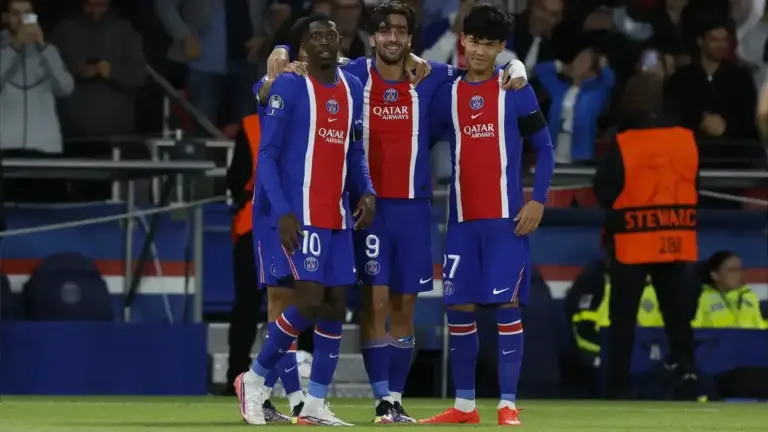
Paris are in it because they are the Champions League holders. Luis Enrique’s side won the competition in 2024/25 and retained it in 2025/26, making PSG only the second club in the Champions League era to go back to back, after Real Madrid’s run from 2016 to 2018. There is more detail on the club’s European record in our guide to how many Champions Leagues PSG have won.
That second European title is the qualifying route for both of Paris’s bonus trophy matches this year. It delivered the UEFA Super Cup place they converted in August, beating Aston Villa 2-1 for the club’s second Super Cup, and it delivered the Intercontinental Cup final in December. Worth stressing, because it gets muddled constantly: these places come from winning a European trophy, not from where a club finished in its domestic league.
Who PSG will face
Nobody knows yet, and anyone telling you otherwise is guessing. PSG’s opponent is whoever wins the Challenger Cup, and that side cannot be confirmed until the earlier ties are played in the run-up to the final. Several of the continental championships that feed into it are still being decided.
What is certain is the shape of it. Paris will play a continental champion — a South American, North American, African or Asian title-holder that has already won a knockout match or two to earn the tie — in a single game with a trophy on it. Historically, those matches have a habit of being far more awkward for the European side than the seeding implies.
What the PSG Intercontinental Cup final means for the squad
More than the fixture itself suggests, and the reason is the calendar around it.
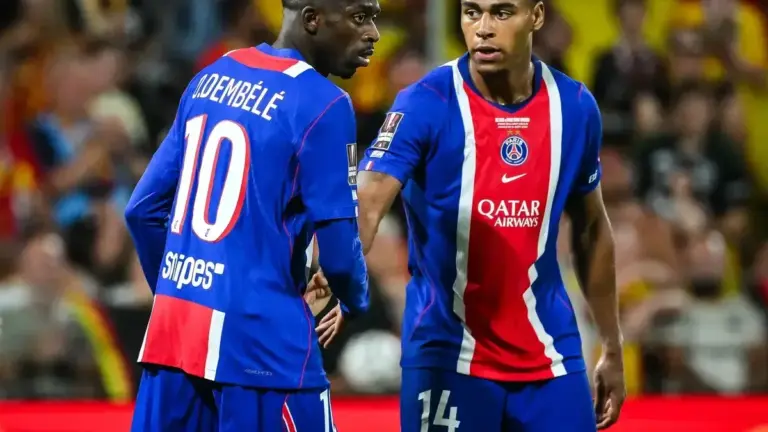
PSG’s season has not started the way a back-to-back European champion’s should. Three Ligue 1 games brought two draws and a defeat — 2-2 at Rennes, 2-2 at Lille, then a 2-1 loss to Monaco — leaving Paris seven points behind Monaco at the top, per Get French Football News. The one genuine high came on Champions League matchday one, a 6-1 dismantling of Slovan Bratislava at the Parc des Princes with a Ferran Torres hat-trick and two goals from Ousmane Dembelé.
Between now and 16 December, Paris have a league position to repair and a Champions League league phase to navigate, with the Intercontinental Cup final bolted onto the end of it. That is precisely why the club spent heavily on the second tier of the squad this summer — Maghnes Akliouche, Ferran Torres, Mika Godts, Lucas Digne — and why Luis Enrique has rotated without sentiment from August onwards. A December trophy match is a lot easier to take seriously when you have two players for every position.
There is also the small matter of what the trophy would represent. PSG have spent the QSI era collecting domestic silverware and chasing European credibility. A world club title of any description is a different category of thing, and nothing about the club’s messaging suggests they intend to treat it as an exhibition.
The short version
The FIFA Intercontinental Cup is the annual meeting of the world’s continental club champions, launched in 2024, run as a knockout ladder in which the European champion enters at the final. PSG are in the 16 December 2026 final because they retained the Champions League in 2025/26. Their opponent will be the winner of the Challenger Cup and is not yet known. FIFA’s own site at fifa.com is where the confirmed rounds and dates get published.
One match, one trophy, in the middle of the busiest December in the club’s calendar. Paris will take it.