Big performances have a way of settling contract debates faster than any negotiation ever could, and Fabian Ruiz just delivered one in the biggest game of his career.
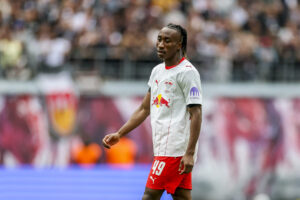
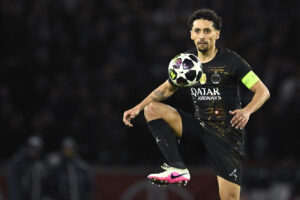
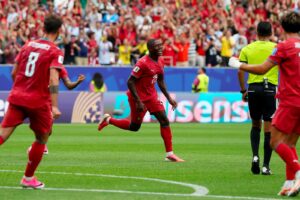
Spain’s 2-0 win over France in Tuesday’s World Cup semi-final at AT&T Stadium was billed as a collision of Paris Saint-Germain talent on opposite sides, and it turned into a lopsided one. According to Sky Sports, Mikel Oyarzabal’s first-half penalty and a Pedro Porro strike sent Spain through to Sunday’s final, with Kylian Mbappe shackled and Ousmane Dembele, in the Sky report’s words, left “blunted” as France’s attack misfired badly. For PSG fans who spent the tournament hoping to see Dembele and Bradley Barcola carry Les Bleus to a final, the result stung. But for anyone tracking Luis Enrique’s midfield planning, the story of the night belonged to the Parisian on the winning side.
Yet, looking deeper at how that night actually played out, Ruiz’s performance reads less like a good night at the office and more like the strongest case he could possibly have made for his long-term future in Paris.
A Seven Out Of Ten That Said Everything
L’Equipe handed Ruiz a 7/10 in its player ratings, praising what it translated as his “sound decision-making and ease in keeping possession through spells of French pressure” — a level of composure the same paper found nowhere in Dembele, who it rated 2/10 and described as having become “almost invisible” as the match wore on. Le Parisien was just as unforgiving on the PSG pair, scoring both Dembele and Barcola 3/10 and noting neither could impose himself once Spain squeezed the space in behind. Ruiz, preferred to Pedri for a second straight knockout match, instead won the physical battles alongside Rodri and helped bury France’s midfield on pure positioning and passing.
The Contract Case Ruiz Has Already Made Easy
The timing could hardly be sharper. According to RMC Sport’s Fabrice Hawkins, Ruiz has already agreed personal terms on a fresh one-year PSG contract with a further year in option, extending his stay through at least 2028, though the club has yet to confirm the extension officially. A player delivering displays like Tuesday’s, in the biggest games PSG’s midfield production line has to offer, is exactly the kind of evidence that turns a quiet holdover into an easy re-sign.
What It Means For Luis Enrique’s Engine Room
Ruiz’s rediscovered starting role also lands as a useful reminder for PSG rather than a shock. He had spent large stretches of the group stage insisting a reduced Spain role was no cause for alarm, and Tuesday’s semi-final was the clearest possible answer: given the platform, he still gives Vitinha, Joao Neves and Warren Zaire-Emery the calm distributor they lean on every week at the Parc des Princes. Even Lucas Digne’s night, marked by a costly error that gifted Spain their first-half penalty, underlined the gap in composure between a player who has been building toward this tournament since the spring and PSG’s newest returning face still finding his feet at the top level again.
Dembele, Barcola and PSG’s other World Cup exits now enter their mandated rest period, with the club’s return clock already ticking down to a staggered pre-season. Ruiz, by contrast, plays on in Sunday’s final and arrives back in Paris with his case already made. Luis Enrique did not need convincing that Ruiz belonged in his plans past this summer; France’s midfield, dismantled in Dallas, just made sure nobody else needs convincing either.